
Want a high-class, professionally written essay for college? You have it covered in just 4 simple steps! Simply order an article from a web site which provides essay writing services. You merely


How can you write your paper, if you are not certain what buy essay now to write about? There are some simple hints you may utilize to make certain your
Many of us are busy, busy, busy most days. So busy, in fact, that there are things in all of our lives that we are just tolerating. There are things that have crept into your life that you allow to continue to exist. You know, like that dirty car, or the leaking faucet, or the bumper-to-bumper traffic that we are forced to sit through every evening to get home. Stop for a moment and think about it: What are you tolerating in your life?
Whether you realize it or not, every toleration you allow to linger in your life drains your energy, your attention, and your motivation. It prevents you from fully realizing your life’s potential. So, what are you tolerating in your life? You can probably come up with a list pretty easily. I know I did.

When I asked myself the question, “What are you tolerating in your life?” I came up with some doozies. Some were obvious, some not so much. For instance, my list included: shirts that I couldn’t wear because of missing buttons; clothes hanging in my closet that I don’t think flatter me or don’t fit me; not having enough money to do all the things I want to do; a job that bores me; intermittent internet disruptions; 6 unfinished book manuscripts; no working CD player in the house; I haven’t made an effort to keep in touch with good friends; I’ve allowed a print to hang on my wall for a year that has the glass cracked all the way across. I am tolerating a certain friend who is always late and who spends more time looking at her cellphone during dinner than talking to me.
Make a list of all the things that are cluttering up your life and then Boom! Get rid of them. Just go through the list and take action to remove them from your list. Get out the needle and thread, bag up the clothes to donate to Goodwill, set aside the time to declutter and focus on projects. Once I made my list, I have set to work at eliminating those tolerations. And boy, let me tell you – it DOES make a difference in how you feel.
The benefits of getting rid of what you are tolerating in your life will be more energy, more creativity, and you’ll be able to attract more abundance and prosperity into your life. Your quality of life will almost magically improve the moment you take action to get rid of those small, inconsequential things that are actually blocking your success.
Here’s to your success,
Trina
P.S. If one of the things you are tolerating in your life includes not enough pay, not enough time with your family, not enough freedom to do what you want, then I urge you to reach out to me and let’s do a business review and see if I can get you back on the right track. Click here to find out more about my consulting services.
Whoa! I thought he was kidding, but no, internet marketing master Kevin Sousa has figured out how to generate 350 free leads per day and get upwards of 600,000 shares and as many as 80,000 comments on Facebook posts. Yeah, 600,000 shares and 80,000 comments.

Can you imagine?
And the incredible thing is: he started using this formula and getting these kinds of results without a big network, any magic software, or blackhat hacks that break the rules, get you banned, and make you look like a scammy scumball online.
Now, I’m just getting started, but let me tell you – I’m pretty excited.
In fact, other people using Kevin’s formula say it is so effective and consistently reliable that nothing else online even comes close to boosting your free leads and sales as much as this. Plus, it’s quick and easy to apply, it works in every market, and you can do it without a shred of technical skill or marketing know-how.
Oh, and don’t miss the special bonus at the end of this post that will have YOUR first post going viral and generating leads within 24 hours! It’s copy-and-paste simple, and the boost to your leads, sales, and income happens very quickly!
Prepare yourself, because the results will SHOCK YOU!
Imagine for a moment what just 100 extra free leads per day could do for your business.. Would it double.. or even triple your current income?
Maybe you’ve never made any money on the internet and this formula will be the first time you’ll actually see all your hard work show up in your back account. Think about what that extra income could do for you…
Would you be able to buy a new car, take your family on a nice vacation, or just have the freedom of not living paycheck to paycheck, worrying about how you’re going to pay your bills?
What you’re about to see is so powerful, the temptation to misuse it can be strong. So you need to promise that you will only use it to promote great quality products that genuinely help people.. deal?
Also, this formula won’t be available for long, and it will be taken down without notice.. which means this will probably be the last chance you get to see it, so get it now while you still can.
OK, so I bet you’re wondering what the story is behind this formula and how you can use it to start generating leads and sales in your business..
Well, about a year ago, one of Kevin’s business partners asked him an interesting question…
He said.. “Do Want to Turn your Facebook Page into an ATM Machine?” … and at first, Kevin just laughed and thought…
“Here we go again… He’s going to try and sell me some magic software or hack that will just waste my time, not getting me any closer to making real money on Facebook…”
But no, this friend had worked it out.
You see, getting something to go viral online is NOT luck.
So that means ANYONE who applies the formula can get a similar result! That should be music to your ears..
Kevin started getting thousands of shares and comments on his posts every day.. and leads flooded into his email autoresponder. So he taught some of his colleagues the formula, and they started seeing results almost instantly, too!
When you get your copy of the Viral FB formula today… Kevin will teach you The Exact formula he taught them for making posts their posts viral in a value-packed 30 minute training video. That’s it. 30 minutes from right now, you will know how to turn Facebook into your own play … er … payground.

Kevin also provides additional training videos where he teaches you “How to Maximize Your Leads” using a couple simple tweaks that took him from 50-100 leads/day to over 350 leads/day literally overnight…
He will teach you how to kick start your shares so you hit the magic ‘viral’ number FAST! (even if you have no friends or followers).
Kevin will teach you how to convert your viral posts into leads and sales in any niche… …and he even shows you the top 5 mistakes he’s made and how you can avoid them…
How would your business change if your posts started going “viral?”
Just imagine what this can do for your business and your income.. never before has it been so easy to give yourself a MONSTER sized pay raise.. by bringing in 2, 3, or even 4 times the amount of leads and sales that you’re currently getting.. and with so little effort.
Making your posts go viral is easy and the difference it makes in the volume of leads and cold hard cash flooding into your bank account each and every week is nothing short of INCREDIBLE.
What would the Viral FB Formula be worth to you?
Oh, and that special bonus from Kevin? Act today and Kevin actually lets you copy his 2 Best Posts of All Time! You’ll get access to the exact content, video and text that Kevin used in his 2 best viral posts, that each got over half a million shares, so you can piggyback on his success and have your first post going viral within 24 hours of getting started..
So grab your copy today by clicking the add to cart button below..
So what are you waiting for? You’ll be glad to hear that when you invest in the Viral FB Formula, you’re covered by a 30 day, risk free, 100% money back guarantee.

Try the Viral FB Formula for a full 30 days, watch the free leads and sales pour in and then decide for yourself if it’s not the most valuable method for generating free leads your business has ever seen..
Click the button below and grab your copy of the Viral FB Formula NOW, so you can start generating free leads for your business today.

(Disclosure: I am an affiliate of FB Viral Formula and may earn a commission if you purchase this product via a link on this page)
Here’s to your success,
Trina

Many so-called gurus online encourage new recruits to abandon their own personal authentic leadership. Instead, they encourage people to “fake it until they make it.” I recently listened to a webinar where the leader said, “Honestly, no one wants to join a beginner. If you aren’t making six figures a month, no one should trust you to hep them make money.” He went on to tell the listeners that it was OK to use his results as their own in their posts and emails “until you have your own success.” I left the session shortly after that. That’s not how I roll.
I believe everyone has their own personal authentic leadership. I can guarantee that you know something from either your experience or your training that can help someone else. I firmly believe you will not succeed if you are just making it up. You need to appear confident and inspiring, but you can’t be fake. People will figure you out. They will NOT ignore the man (or woman) behind the curtain.

A better strategy is to tap into your own personal authentic leadership and make the most of your own success. If you have just started, tell others that you had the courage to take action and encourage them to do the same. Share with others your reasons why you have taken actions and what results you are receiving. Once you have started to attract leads, tout the fact that your marketing efforts are paying off. Teach others exactly what you are doing to move closer to your goals. That’s personal authentic leadership. Others will look at you as a leader because you are ahead of them in the process and you are being honest with them.
Personally, I love working with other leadeers who push me to do more and keep me as motivated as I keep them. I love to follow and brainstorm with wildly successful people who are willing to share their tips and strategies. I don’t have to have all the answers – I just need to know how to plug them into the resources that are available to everyone. To me, that’s personal authentic leadership. I’m honest with my clients, I answer their questions, I give them direction, I point them to resources. I encourage, motivate, inspire and keep them informed as much as possible. I care about their goals. I care about their frustrations. I want to celebrate their success with them.
If you are looking for a coach or mentor who respects and honors your personal authentic leadership style, I would be honored to work with you. As your coach, I will not abandon or mislead you. I am not “faking it.” What you see is what you get. And if that appeals to you, then give me a call or email me and let’s get started. I’m ready to give you my all to make you succeed.
Here’s to your success,
Trina
P.S. Email me at Trina@SuccessPointConsulting.com. I would love to hear from you.
Have you ever looked at the disparity between rich and poor in today’s economy and wondered, “How does money flow?” Now, I’m not going to get into an in-depth economics lesson, but here are some principles that our economy is based that may surprise you. How your money flows when you work for someone else is not the same as the business owner.
If you are employed by someone else and receive a paycheck, your money flows typically looks like this: You trade time for dollars. You work to earn wages. Your employer takes the amount of wages you earn and gives a percentage, usually between 20% and 30% to the governments (federal, state and local), then deducts any extras like insurance premiums or retirement contributions. Then you get the remainder to spend on your expenses. If you are lucky, you get approximately 70% of what you actually earned each month. Depending on your state, your deductions, and other factors, you may only receive 50% of what you actually earned. The governments use the taxes you pay each month to pay for government expenses. Government runs on the W-2 employee. The W-2 employee is the most heavily taxed and the most frequently taxed entity in our entire economy.

If you own your own business, how does your money flow look different than the W-2 employee? Well, for one thing, you get to control a lot more of your earnings. You provide a product or service and a customer buys it from you. You receive that payment minus any processing fees that may be associated with that transaction (credit card processing fees, shipping costs, etc.). Then you pay your expenses. But because the tax code rewards businesses, you get to take deductions for many of those expenses off your taxes. This will generally lower a business person’s tax rate to between 12% to 18%, sometimes even lower if you really keep good records.
By the way, I wrote The Small Business Owner’s Tax Guide to help small business owners. It’s available on Amazon. Buy your copy today. A business person typically will have the ability to use up to 95% of their earnings and only pay taxes after they have paid other expenses. And they get to determine for themselves what expenses they pay when. Most businesses pay taxes quarterly, in January, April, June, and October.
An investor is rewarded even more by the tax code. An investor earns money through the activity of the money itself. They invest the money in something, like a business or stock, in such a way that the money grows in value. Investors make money work for them. This is often called capital gains. Investors pay the lowest taxes, approximately 10% and they typically only pay taxes once a year. They get to use and spend and enjoy almost all of their money all year long.
Pretty sobering, isn’t it. How does money flow in your own life? It’s no wonder so many people who are working in jobs and getting a W-2 at the of the year are feeling broke. They don’t get to use or enjoy their own money! A huge chunk of their money is spent before they even get to touch it. Owning a business is a lot better, and being an investor is even better than that. Is it time for you to start moving toward becoming an investor instead of an employee?
In my opinion, everyone needs to find the right vehicle to take them from employee to business owner to investor. I know I am moving in that direction and I am helping hundreds of other people connect with their dreams and start on the path to financial freedom. One of the programs I use helps small businesses grow their sales while also helping me and other families save money on everyday purchases. I can’t guarantee it would be a good fit for you, but for more information, watch this video.
Ask yourself: “How does money flow in my life?” If you don’t like the answer, then it’s time to make a change. I am here to help you every step of the way. Just reach out to me and let me help.
Here’s to your success,
Trina
P.S. I don’t believe anyone who says they”can’t afford it.” If you need some ideas on how to make money out of thin air to make this dream a reality, click here.
I hate to be the one to break it to you, but your spending habits are keeping you broke. When’s the last time you really sat down, created a budget, and took a hard look at your spending habits? If you have watched someone else have success and you say to yourself, “Oh, I really wish I could do that but I don’t have the money,” then you have a problem with your financial mindset. Investing money in yourself and your dreams is always a good investment.
Here’s a look at common spending habits that keep people from really using their money to their best advantage. Obviously, it’s going to be different for everyone, but here are some ideas on where to look in your budget if you want to stretch the money you have.
If you smoke, you can quit (quite a money-saver and healthier option), or cut back, or switch to a cheaper brand. But for every dollar you save, you need to take that money and save and invest it. Do not spend it on something else.
If your preferred beverage is soda, switch to drinking water at least half the time. Instead of buying four 12-packs, only buy two and make them last. Again, every dollar you save needs to be invested in a business or in educating yourself.
One of the worst spending habits many Americans have gotten trapped by is credit card interest. Only use a credit card if you will be able to pay off the balance entirely in 30 days. If you have been carrying a balance, then you need to stop spending more than you can pay off. Interest on credit cards is a killer of financial freedom. If you use credit cards and pay your bills on time, make sure you call your credit card companies at least every 3 months and ask for a reduced interest rate. Many times, they will reward your loyalty – but only if you ask.
 Taking advantage of available discounts and coupons is another way to improve your spending habits. If you don’t regularly use coupons, start and you’ll be amazed at how much you can actually save. And you don’t have to buy a newspaper. There are websites, like coupons.com where you can browse and find discounts on the items and brands you normally buy. Use those sites! If you keep track of how much money using coupons can save you in a month, and set that money aside every time you go shopping, you will easily be able to invest in a business.
Understanding how you currently use money and changing your spending habits to give yourself more money to invest in other areas of your life, like in a business, is just part of the equation. You also need to understand how does money flow for a W-2 employee, a business person, and an investor. Each one approaches money differently. Click here to see how does money flow in today’s economy.
Here’s to your success,
Trina
P.S. Looking for a side income? Want to make money while helping small business owners grow their business and helping families save money on everyday purchases? Then watch this video.
Did you know that you can make money out of thin air? You can, you know. You just have to open your eyes and gain a little bit of wisdom on how money flows in our economy. It doesn’t involve magic. It just involves you making a decision to come up with the money and taking action. There is simply no excuse why ANYONE cannot “afford” to take action on their dreams.

Make money out of thin air
“But I’m broke,” you say. Are you really? If you live in the United States, I can almost guarantee you that you are nowhere NEAR broke according to world standards. You have chosen, at least up to this moment, to spend what money you have had on things instead of investments.
Here are some simple ways that almost everyone can make money out of thin air if it is important enough to you. Notice I said IF it is important to you. If it’s important, you will find a way. If it’s not, you will find an excuse. You can’t do both. You either find a way or an excuse. You either do or you don’t. There is no try.
One of the easiest ways that I know of to make money out of thin air if you are currently working a J-O-B (stands for Just Over Broke) is to give yourself a pay raise or two. Say what? You heard me. Give yourself a pay raise.
Go to your HR department or to your online HR portal and change the number of withholding allowances on your W-4. According to the IRS website, the average American employee overpays the government $40 a week in taxes. That’s right. The typical W-2 employee overpays the government over $2,000 a year because they do not take enough allowances. If you got a refund last year, you need to immediately reduce the amount of money the government is taking from your check. Why are you letting them borrow your money interest-free? (Disclaimer: this is simply the average amount cited by the IRS. Your individual pay raise may be lower or higher. No guarantees are being made here.)
You do know that getting that refund is just getting back your own money, right? For each additional allowance you claim, you will see an increase in your paycheck of approximately $40 to $80, or approximately $150 dollars a month. What if you changed your W-4, and with the increased pay, you used that extra $150 to invest in a business that has the products, systems, the team and the mentor you need to make a change in your life? Ta-dah. You can now move forward with pursuing your dreams.
Another other way to make money out of thin air so you can invest in yourself and a business is to reduce the amount you are contributing to your 401-K. What????? I know, it’s almost sacrilegious to say, but if you are contributing the absolute maximum possible into a retirement account but you are feeling broke and desperate in other areas of your life, then you need to reduce the amount going into your retirement. I’m not saying stop contributing. I’m saying to reduce the amount.
If you have ever had to pay a late fee, or bounced a check, or passed on a golden business opportunity, especially one that has the potential to earn you exponentially more than your investment, because you “don’t have” $154 dollars to invest, you need to stop maxing your retirement contribution. As great as it is to contribute to your retirement, building a business is actually a better way to secure your future in the long-run. But promise yourself this: if you reduce your retirement contribution, then you need to take that money and INVEST it in yourself and in a business.
Glad you asked. Tomorrow I’ll examine how changing some of your spending habits can make the money out of thin air you need to start living your dreams.
Here’s to your success,
Trina

Make money out of think air
P.S. Once you’ve make these changes and you have given yourself a pay raise, then it’s time to stop procrastinating, take the action you know you need to take, and get started building the life of your dreams. Quit sitting on the fence and just do it. No excuses allowed. Click here now.
I have been reading Jim Rohn lately. Good, good stuff. Here are some of my thoughts. My favorite: You are NOT a tree. You do not have a accept where you are. You can change everything about your life if you want it badly enough. The power to change is within each one of us. It’s up to us to reach down inside and pull it out.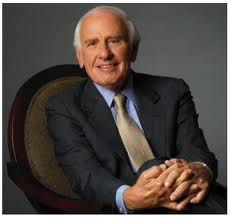
What are your favorite Jim Rohn quotes? Leave them in the comments below.